

Environmental impact of nutrition: This is why an adapted menu has a direct impact on the climate
By Foodways
The environmental impact of nutrition has increasingly come into focus in recent years. After all, the impact of our eating habits on the environment and climate is considerable. What concrete figures are available on the connection between food choices and environmental impact? And how can companies help consumers eat in a more environmentally friendly way?
In fact, at 28%, food ranks first in terms of environmental impact in Switzerland – ahead of housing and mobility. In order to reduce the negative impact of food on the environment, it therefore makes sense for consumers and companies alike to know the reduction potential. This is because the individual life cycle assessment varies depending on the choice of food, the place of production, the agricultural production method and the chosen means of transport. If you take all these factors into account, you can reduce your personal environmental impact from food by around 50%.
Studies show that an environmentally and health-conscious diet that contains less meat, favors seasonal produce and avoids flown-in food, offers significant potential savings. A meat-free diet alone can improve the diet-related eco-balance by 44%, while avoiding products from intensive agriculture and fossil-fuel-heated greenhouses contributes 15.9% to the savings.
Environmental impact of nutrition – What can companies do?
To enable consumers to make more sustainable food choices, catering companies can, for example, offer an adapted menu. By additionally providing information about the ecological impact of the different dishes, the clientele is also supported in making environmentally conscious decisions.
- This includes, for example, labeling dishes with a low ecological footprint or highlighting vegetarian or vegan options.
- Additionally, companies can support consumers by focusing on transparent supply chains. Working with local producers and using seasonal products can reduce transportation.
- Avoiding food waste is also an important aspect of greater sustainability. Through efficient planning, optimal storage and adapted portion sizes, companies can also help to reduce the amount of wasted food.
- In addition, the use of labels and certifications is a helpful tool to help consumers make responsible choices. However, labels are often complex and cannot be immediately categorized. Therefore, companies should take care to provide clear and trustworthy information.
Responsibility and framework conditions
Even though individual diets account for a significant share of Switzerland’s overall environmental impact, it is important to note that the responsibility for an environmentally friendly diet does not lie solely with consumers.
Governments, companies and the food industry must also assume their responsibility and create appropriate framework conditions. Through targeted measures such as the promotion of organic farming, the expansion of renewable energies in food production and the support of research and development, they can help to reduce the overall environmental impact of nutrition.
With measures such as an adapted menu, restaurants can assume their share of responsibility and ensure greater sustainability. They can also help reduce the environmental impact of food by providing transparent information, labeling environmentally friendly options, and working with local producers.
Ideally, all stakeholders should assume their respective responsibilities and work together to develop sustainable solutions to minimize the environmental impact of our eating habits. After all, sustainability only succeeds if we all pull together.
Foodways
Weitere Posts

A chocolate with a cherry filling—for Cherry Blossom Day
In Japan, cherry blossoms are celebrated on March 27—a symbol of the beginning of a new cycle and the question…

Why we need to start thinking differently about fibers
In many production halls and processing plants, something arises daily that receives little attention:In many production halls and processing plants,…
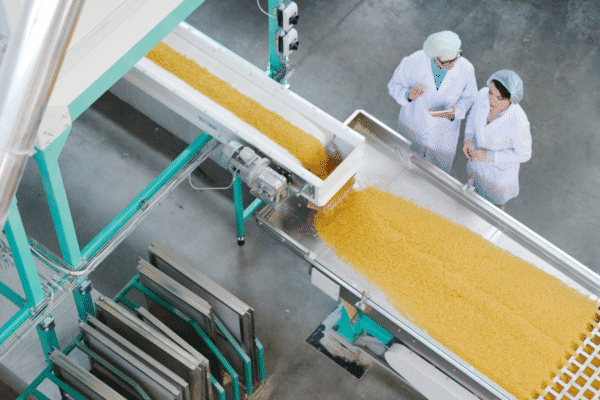
Gemba Walk in the Food Industry: How Companies Uncover Hidden Potential in a Single Day
The Gemba Walk is a proven method derived from Lean management. It involves managers or consultants visiting the “real place“—specifically,…

Video: How “Food Save” tastes really good
Check out this cool video showing how Markus uses StreamUp to support Felix from PureUp in Basel—turning surplus cherries into…
StreamUp – The Funding Program by UAW
Development and Implementation of a Funding Program for Food Save Solutions
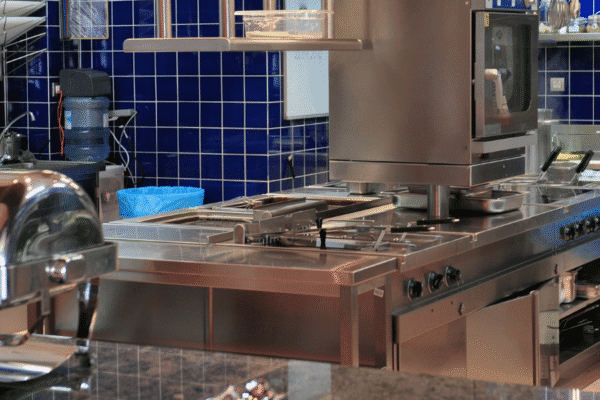
Now funded by BEKB: Food Save Workshop for Gastronomy Businesses
Reduce food waste, lower costs. BEKB supports businesses from Bern and Solothurn with a free expert workshop.
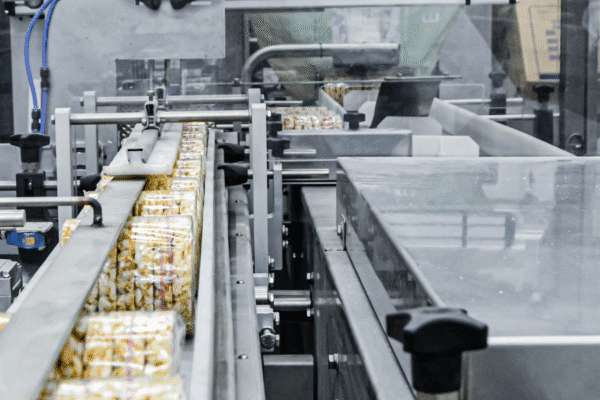
Now supported by BEKB: Transforming food waste into profitable products and business models.
Transforming side streams into innovative products. BEKB supports businesses from Bern and Solothurn with a free expert workshop.
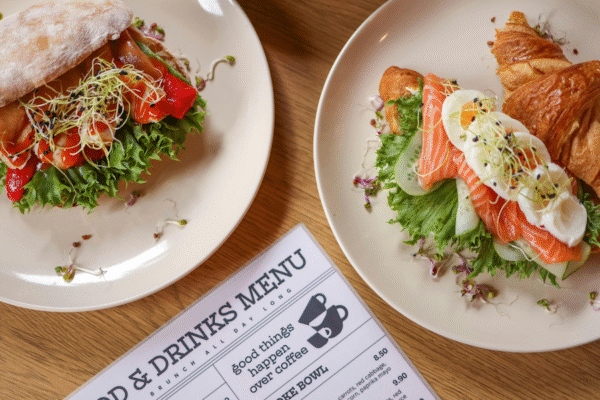
Sustainability starts on the menu: How menu engineering and neuromarketing guide guests toward better decisions
Sustainable enjoyment is not a matter of chance—it is a matter of good design. The menu is a central tool…