
Why we need to start thinking differently about fibers
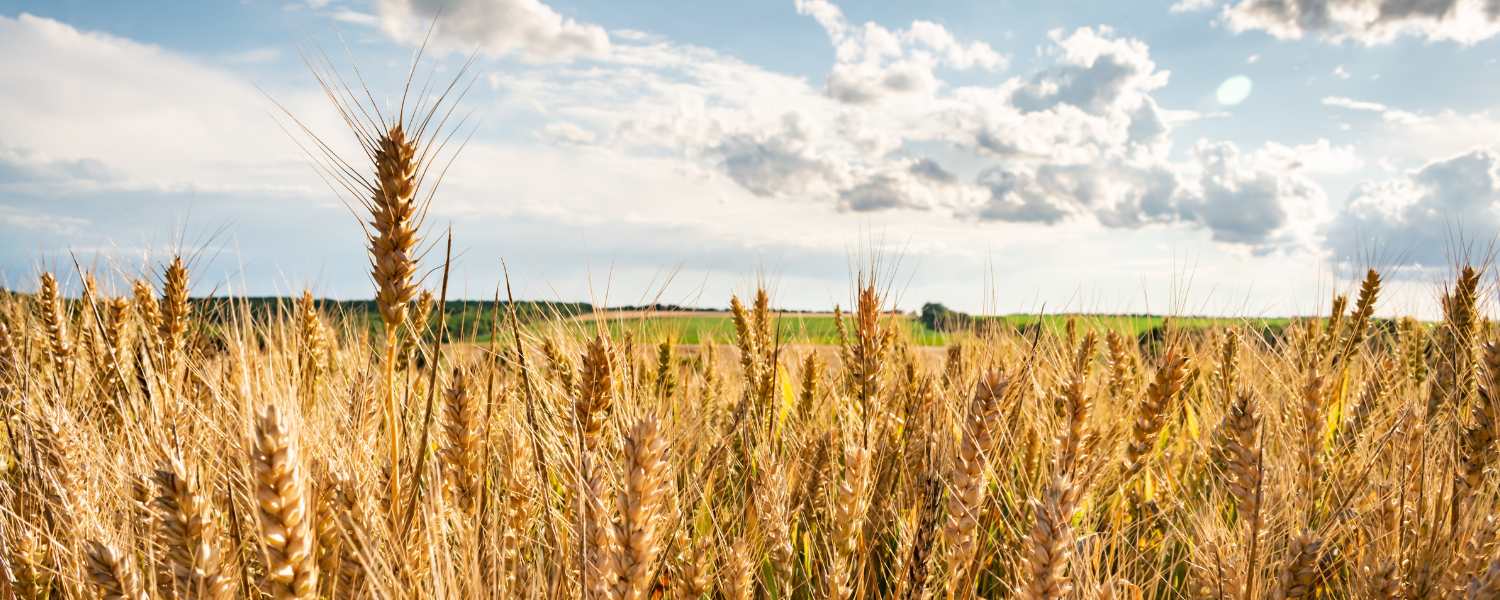
In vielen Produktionshallen und Verarbeitungsbetrieben fällt täglich etwas an, das kaum Beachtung findet: In many production halls and processing plants, certain materials are generated daily that receive little attention: pomace from juice production, carrot residues from processing, bran from grain mills, or press cake from plant proteins. These side streams are rich in fiber and nutritionally valuable, yet they rarely feature prominently in strategic planning.
The recommendations are clear
At the same time, nutritional guidelines have been pointing in the same direction for years: we consume too little dietary fiber, too few whole grains, and insufficient plant-based structural components. In 2024, the Swiss federal government updated the country’s food pyramid [1], recommending increased intake of whole grain products and plant proteins. The EAT-Lancet Commission’s Planetary Health Diet [2] also emphasizes a more plant-based diet—for both health and environmental reasons.
Even social media is picking up on the topic. A high-fiber diet is increasingly being discussed under the catchphrase “Fibre Maxing.” Beyond the hype, one thing is clear: demand for high-fiber products is rising.
The Processing Paradox
Public authorities and the scientific community advocate a plant-based, high-fiber diet. Social media is also picking up on the topic, further driving demand for high-fiber products. Policymakers, researchers, and consumers are thus sending the same message.
And yet, a contradictory effect is evident along the value chain: while we demand more fiber, processing methods remove the very components that support these goals. We talk about gut health, blood sugar regulation, and sustainable food systems—while simultaneously and systematically stripping fiber-rich structures from the product.
The question is not whether we need more fiber. The question is why we do not consistently keep it within the production cycle.
From By-product to Raw Material
An analytical look at pomace or bran reveals functional properties: structure, water-binding capacity, and technological stability. Carrot fibers can make baked goods moister. Pomace can enhance texture and nutritional value. Bran can be deliberately positioned as a mark of quality.
Consequently, by-products are not mere waste materials but potential raw materials. They offer a realistic, scalable solution to rising demands for nutritional value and resource efficiency.
The Strategic Dimension
Sustainability managers face a complex task: making products healthier, using raw materials more efficiently, and remaining economically viable. Integrating fiber-rich by-products bridges these different aspects.
• Products with an improved nutritional profile due to higher fiber content
• Reduced losses along the value chain
• Stronger arguments for ESG and sustainability reports
• Concrete contributions to food systems operating within planetary boundaries
The potential is immense. What is often missing is strategic integration into innovation and sustainability processes—and the willingness to purposefully further develop core products. This does not mean everything has to be reinvented; often, the simplest lever is to retain more of the original material in the product—as is the case with whole-grain flour. Not every byproduct requires a new product format. Frequently, it is targeted, pragmatic adjustments that yield the greatest impact.
Approaching fiber strategically means combining nutritional quality with resource efficiency—and turning byproducts into a competitive advantage.
Would you like to learn more about this topic? Join us in Bern on June 24 for “Focus Food Save” or contact our expert, Sonja Maurer.
[1] https://www.blv.admin.ch/blv/de/home/lebensmittel-und-ernaehrung/ernaehrung/empfehlungen-informationen/schweizer-ernaehrungsempfehlungen.html
[2] https://eatforum.org/eat-lancet/the-planetary-health-diet/
Ihre Ansprechpartnerin: Sonja Maurer

Sonja Maurer ist Ihre Ansprechpartnerin, wenn es darum geht, Prozesse in der Lebensmittelbranche nachhaltiger zu gestalten. Als Consultant bei Foodways unterstützt sie Unternehmen dabei, ökologisch wirksame und wirtschaftlich tragfähige Lösungen zu entwickeln – mit systemischem Blick und praxisnaher Umsetzungsstärke.
Was sie auszeichnet: Sie kennt die Branche aus erster Hand: Als frühere Produktmanagerin bei HelloFresh Schweiz verantwortete sie Sortimente, Prozesse und Produktentwicklungen. Mit ihrem Hintergrund als Lebensmittelingenieurin bringt sie ein tiefes Verständnis für Produktionsabläufe und Qualitätsanforderungen mit – die ideale Basis für nachhaltige Transformation im Betrieb.
Sie möchten den Wandel aktiv gestalten? Sonja Mauer unterstützt Sie gerne mit Ihrem Fachwissen.
Foodways
Weitere Posts

A chocolate with a cherry filling—for Cherry Blossom Day
In Japan, cherry blossoms are celebrated on March 27—a symbol of the beginning of a new cycle and the question…
StreamUp – The Funding Program by UAW
Development and Implementation of a Funding Program for Food Save Solutions
Now funded by BEKB: Food Save Workshop for Gastronomy Businesses
Reduce food waste, lower costs. BEKB supports businesses from Bern and Solothurn with a free expert workshop.

The genetics of nutrition: a look at the hereditary influences on our eating behaviour
By Foodways Nutrition plays an enormous role in our health and general well-being. Sustainable nutrition also conserves resources and thus…

Cultural anchoring, education and environmental protection: how our eating habits affect the environment
By Foodways Our eating habits are the holy grail in the transformation of the food system towards sustainable production and…

What is the positive global impact of reducing food waste?
By Foodways Food waste has a huge impact on the environment, global food security and the economy. According to the…

Food Policies: How the cantons of Lucerne and Zurich ensure sustainable nutrition
By Foodways Food plays a crucial role in the environment and climate. What we eat, how we produce it and…