

Cultural anchoring, education and environmental protection: how our eating habits affect the environment
By Foodways
Our eating habits are the holy grail in the transformation of the food system towards sustainable production and consumption patterns. One of the big questions for the future is therefore how we can positively change individual behaviour. And preferably without “paternalism” – because that is not welcome in this country.
However, it’s not that easy. In this article, we would like to explore the effects of our diet, why it is so difficult to change our behaviour and how we can still make the transition to a more sustainable food system.
The environmental impact of our eating habits
The way we eat has a far-reaching impact on our environment. From the production of food to its processing and consumption, we influence the consumption of resources, emissions and land use. A study by the Federal Office for the Environment (FOEN) illustrates these relationships using the example of land use.
The study shows that a vegetarian diet could reduce land consumption by 46 percent. A vegan diet could reduce land consumption by almost 50 percent. Even a flexitarian diet, which reduces the consumption of animal products, could still contribute just under 18 percent to land savings.
These figures illustrate how our specific dietary choices have a direct impact on land use and how they are important in the context of land consumption and biodiversity. The figures are clear and many Swiss people consider it important to reduce their meat consumption. Nevertheless, many find it extremely difficult to give up beloved habits.
Cultural aspects
One reason for this is that eating habits are closely linked to cultural aspects. They are the result of intergenerational processes and symbolize identity, traditions in families and regions and establish connections between people. Changing eating habits therefore requires not only education and the transmission of information, but also recognition of this cultural dimension. There are studies that show that dietary behavior can be traced back over many generations. This makes it clear how deeply rooted nutrition is in our culture and how difficult it can be to break these long-standing patterns (more on this in an upcoming article).
Education as the key to raising awareness
Education plays a crucial role in transforming these culturally shaped behaviors. This is because it emphasizes the ecological impact of our eating habits from an early age. Switzerland has therefore committed itself to promoting education for sustainability and is anchoring the topic in education and training. After all, comprehensive knowledge and careful handling of food are hugely important for raising awareness. However, these are long-term plans, as short-term results cannot be achieved.
Promotion of sustainable eating habits and measures
Switzerland is therefore taking further measures to promote sustainable eating habits. One goal, for example, is to halve food waste per capita by 2030. This not only affects consumers, but also retailers and the catering industry. The federal government sees two main levels of action: Reducing food waste and promoting resource-conserving consumption patterns.
Companies can also do something to accelerate change in the retail and catering sectors. This is because targeted training and further education programs provide employees with concrete guidance on how to implement structural changes within their own day-to-day work. Companies that make such measures a requirement are therefore actively contributing to sustainable change 🌿🌎
Foodways
Weitere Posts

A chocolate with a cherry filling—for Cherry Blossom Day
In Japan, cherry blossoms are celebrated on March 27—a symbol of the beginning of a new cycle and the question…

Why we need to start thinking differently about fibers
In many production halls and processing plants, something arises daily that receives little attention:In many production halls and processing plants,…

Gemba Walk in the Food Industry: How Companies Uncover Hidden Potential in a Single Day
The Gemba Walk is a proven method derived from Lean management. It involves managers or consultants visiting the “real place“—specifically,…
Video: How “Food Save” tastes really good
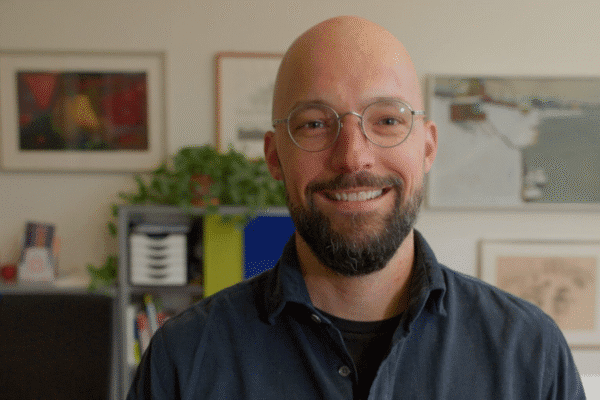
Check out this cool video showing how Markus uses StreamUp to support Felix from PureUp in Basel—turning surplus cherries into…
StreamUp – The Funding Program by UAW
Development and Implementation of a Funding Program for Food Save Solutions
Now funded by BEKB: Food Save Workshop for Gastronomy Businesses
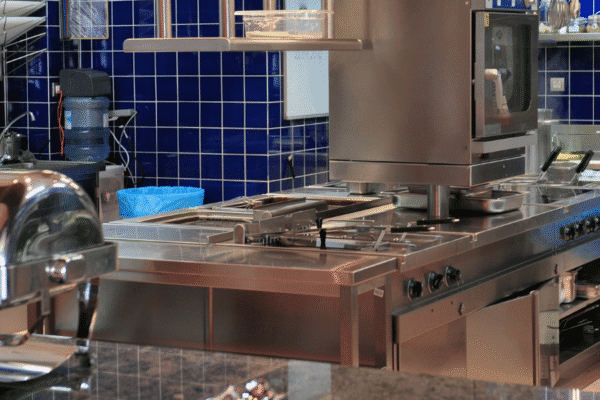
Reduce food waste, lower costs. BEKB supports businesses from Bern and Solothurn with a free expert workshop.
Now supported by BEKB: Transforming food waste into profitable products and business models.
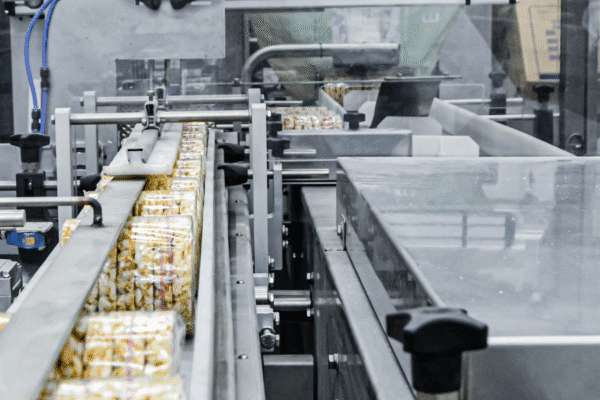
Transforming side streams into innovative products. BEKB supports businesses from Bern and Solothurn with a free expert workshop.

Sustainability starts on the menu: How menu engineering and neuromarketing guide guests toward better decisions
Sustainable enjoyment is not a matter of chance—it is a matter of good design. The menu is a central tool…