

Knowledge gap between generations: How do varying levels of knowledge affect the sustainability of the Swiss food industry?
By Foodways
There is broad, cross-generational agreement that we must do more to address climate change and sustainability within the food industry—a level of consensus rarely seen on other issues. When it comes to reducing food waste, however, it is crucial to reach the right people within companies; this means not only decision-makers, but everyone who works with food and ensures its quality.
Sustainability in the food industry spans the entire process—from the procurement of raw ingredients and their subsequent processing, all the way to retail or, in the worst-case scenario, disposal. Consequently, raw material management, energy consumption, and waste prevention are core issues that companies must address.
But what does this have to do with different generations?
In recent years, it has become clear that young people, in particular, are vocal advocates for climate protection—a commitment that naturally includes the conscious use of resources. Within the food industry, however, these individuals are still predominantly found at the “lower” organizational levels—for instance, members of Gen Z, which encompasses those born between 1995 and 2010.
The knowledge gap is influenced not only by the methods and frequency of information gathering, but also by the diversity and trustworthiness of the sources used. As the age demographic shifts upward, television and daily newspapers play an increasingly significant role. Younger generations, by contrast, rely on a broad mix of sources, including social media and various other online platforms.
How can everyone be brought to the same level of knowledge?
To address this knowledge gap, core information and best practices must be consolidated and made accessible to employees at all levels of the food industry. Only in this way can we ensure a comprehensive understanding of how food is handled throughout its entire production and life cycle. Consequently, the short- and medium-term objective must be to reach those currently employed in the food industry and the retail sector, while simultaneously sensitizing future generations to these issues—and providing them with formal education—as early as possible.
This goal is best achieved through continuing education programs that…
…offer added value for every sector of the food industry.
…consist of multiple modules, thereby separating key information relevant to different areas and processes.
…ensure high accessibility—ideally in a digital format.
…include guidelines with direct, actionable recommendations—making them highly practical.
Ultimately, it is essential that all employees within a company “speak the same language,” ensuring that everyone receives reliable information, regardless of their age or level of knowledge. By standardizing the source of information, we create a direct, everyday benefit for all staff.
What advantages can we expect from this?
For one, it reduces the potential for conflict—both between individuals and across generations—within the corporate structure by ensuring everyone is well-informed. Furthermore, it assists leaders in making decisions that are both economically and sustainably advantageous for the company, while also enabling the development of clear operational instructions to minimize food waste as effectively as possible. In short, we aim to transform the potential for conflict into added value.
Leverage our scientific and practical experience to strengthen the competencies of your employees!
Foodways
Weitere Posts

A chocolate with a cherry filling—for Cherry Blossom Day
In Japan, cherry blossoms are celebrated on March 27—a symbol of the beginning of a new cycle and the question…

Why we need to start thinking differently about fibers
In many production halls and processing plants, something arises daily that receives little attention:In many production halls and processing plants,…
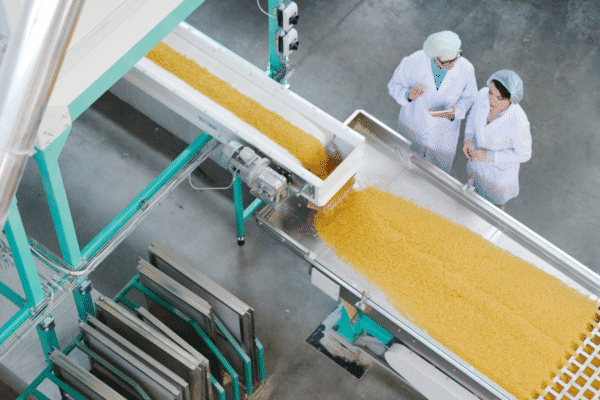
Gemba Walk in the Food Industry: How Companies Uncover Hidden Potential in a Single Day
The Gemba Walk is a proven method derived from Lean management. It involves managers or consultants visiting the “real place“—specifically,…
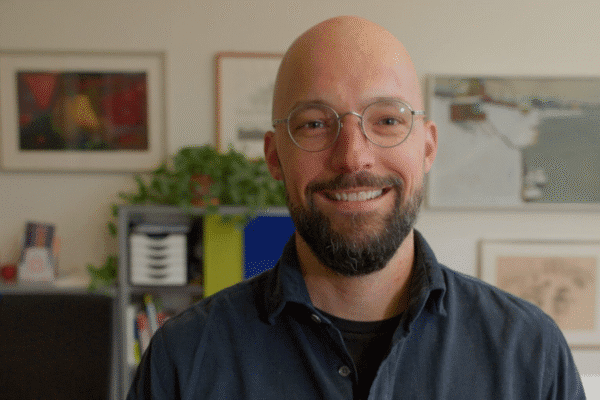
Video: How “Food Save” tastes really good
Check out this cool video showing how Markus uses StreamUp to support Felix from PureUp in Basel—turning surplus cherries into…
StreamUp – The Funding Program by UAW
Development and Implementation of a Funding Program for Food Save Solutions
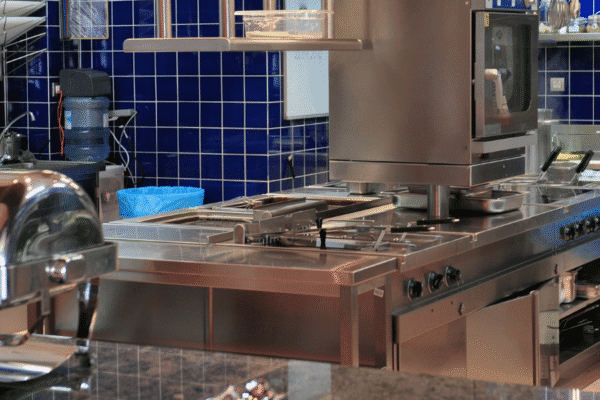
Now funded by BEKB: Food Save Workshop for Gastronomy Businesses
Reduce food waste, lower costs. BEKB supports businesses from Bern and Solothurn with a free expert workshop.
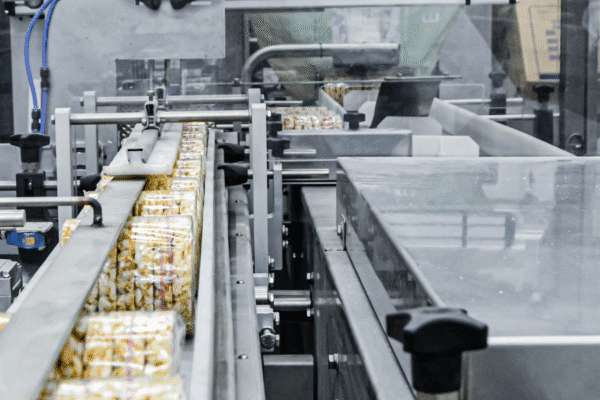
Now supported by BEKB: Transforming food waste into profitable products and business models.
Transforming side streams into innovative products. BEKB supports businesses from Bern and Solothurn with a free expert workshop.
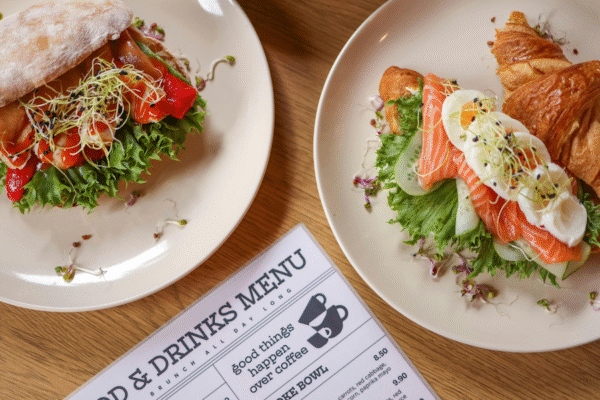
Sustainability starts on the menu: How menu engineering and neuromarketing guide guests toward better decisions
Sustainable enjoyment is not a matter of chance—it is a matter of good design. The menu is a central tool…