
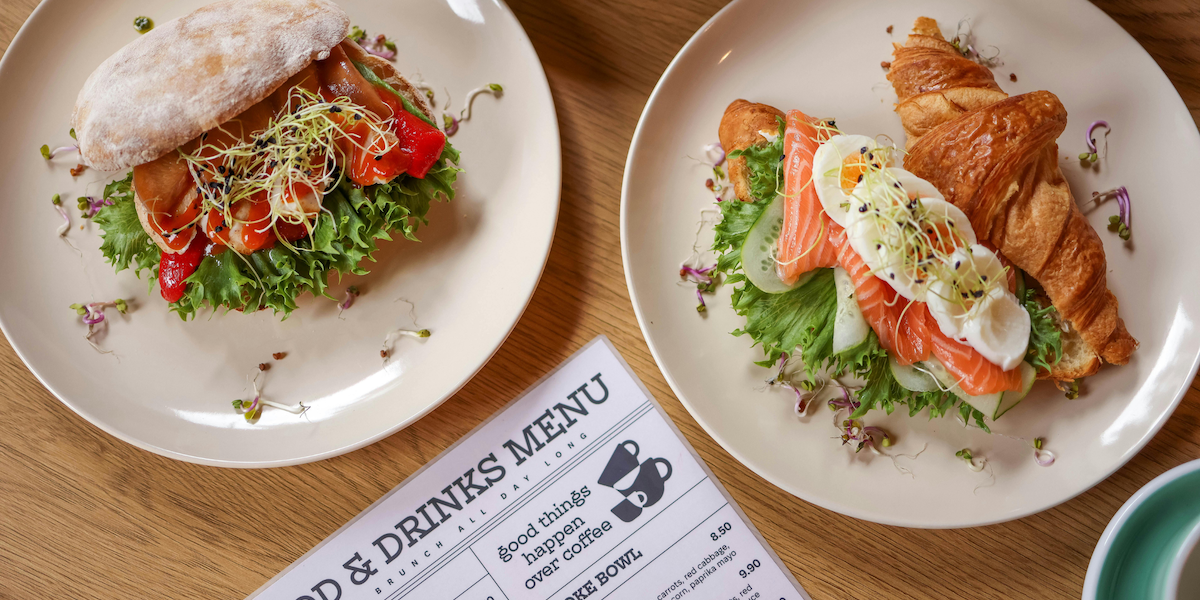
Sustainability starts on the menu: How menu engineering and neuromarketing guide guests toward better decisions
Sustainable enjoyment is not a matter of chance—it is a matter of good design. The menu is a central tool for subtly and effectively guiding guests toward more sustainable dishes. Entirely without being preachy, but with psychological finesse.
First impressions count—even with the menu
Menu engineering is about presenting dishes in a way that ensures they are seen and selected—especially those with a better environmental footprint. Clever placement, inspiring language (“seasonal,” “from the farm next door”), and clear icons (e.g., a leaf or CO₂ label) provide orientation and build trust. But that is only half the battle: targeted impulses from neuromarketing are also crucial.
7 psychological effects that promote sustainable choices
- Priming Effect
Unconscious priming through prior information influences decisions.
Example: If someone reads “Our dishes follow the principle: regional – seasonal – responsible” when first looking at the menu, they are more likely to choose sustainable options. - Anchoring Effect
The first price on the menu influences the overall price perception.
Example: A fillet steak for CHF 42 suddenly makes the vegetarian main course for CHF 26 attractive instead of expensive. - Decoy Effect
A deliberately “unattractive” option makes a particular choice appear more attractive.
Example: Three lunch menus are available:
– Penne all’arrabbiata with chili tomato sauce (CHF 21)
– Homemade pumpkin gnocchi with sage butter and leaf salad (CHF 24)
– Veal ragout with polenta and seasonal vegetables (CHF 40)
Compared to the simpler pasta, the gnocchi offer more enjoyment and variety, yet are significantly less expensive than the meat dish. They thus appear to be the best overall package—and are chosen more frequently. When this dish is strategically planned as the most sustainable option, a powerful psychological nudge is created without any didactic messaging. - Framing effect
The way something is presented often influences our decision more than the content itself.
Example: If a dish is labelled as “vegetarian” or listed separately, some guests perceive it as a restriction—and choose it less often. Better: list plant-based dishes on an equal footing among all main courses and mark them with subtle icons. This provides guidance—without putting people off. - IKEA effect
Self-designed options feel more valuable.
Example: With a sustainable bowl, guests can put together the ingredients individually—this increases identification and appreciation. - Rule of Three
Three options make decisions easier and increase satisfaction.
Example: Three climate-friendly main courses with different profiles (e.g., hearty, light, exotic) create a clear choice without overwhelming guests. - Bandwagon Effect
What is popular is persuasive.
Example: A label like “Our Bestsellers” can make sustainable dishes visible and socially acceptable and relevant.
Key takeaway: Guide guests, don’t lecture them
The good news: Sustainable consumption doesn’t have to be forced – it can be shaped. By providing the right cues on their menu, businesses make sustainable choices not only easier but also more attractive. This way, sustainability is not mandated, but experienced – in the most pleasant way: with good taste.
Foodways
Weitere Posts

A chocolate with a cherry filling—for Cherry Blossom Day
In Japan, cherry blossoms are celebrated on March 27—a symbol of the beginning of a new cycle and the question…

Why we need to start thinking differently about fibers
In many production halls and processing plants, something arises daily that receives little attention:In many production halls and processing plants,…
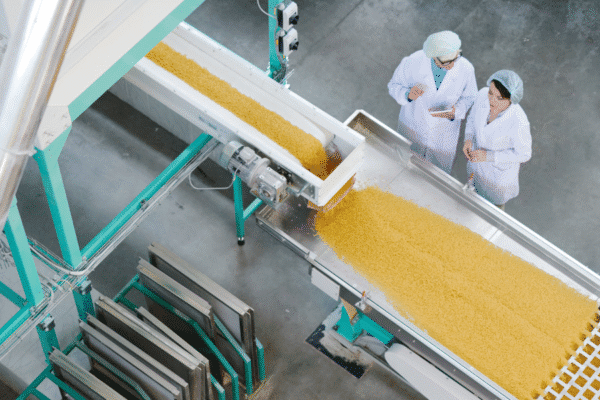
Gemba Walk in the Food Industry: How Companies Uncover Hidden Potential in a Single Day
The Gemba Walk is a proven method derived from Lean management. It involves managers or consultants visiting the “real place“—specifically,…

Video: How “Food Save” tastes really good
Check out this cool video showing how Markus uses StreamUp to support Felix from PureUp in Basel—turning surplus cherries into…
StreamUp – The Funding Program by UAW
Development and Implementation of a Funding Program for Food Save Solutions
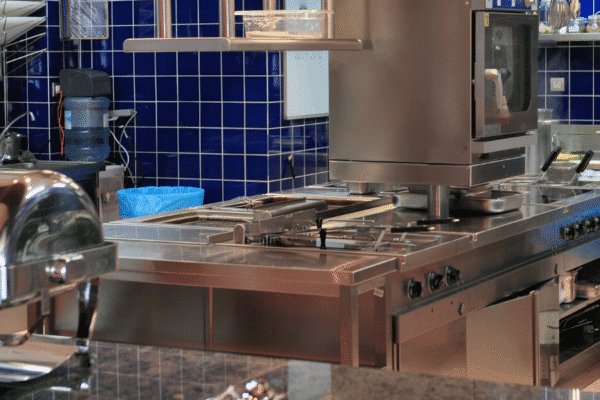
Now funded by BEKB: Food Save Workshop for Gastronomy Businesses
Reduce food waste, lower costs. BEKB supports businesses from Bern and Solothurn with a free expert workshop.
Now supported by BEKB: Transforming food waste into profitable products and business models.
Transforming side streams into innovative products. BEKB supports businesses from Bern and Solothurn with a free expert workshop.
More from your flour – with a delicious *Spitzbuben* recipe for reducing food waste.
By Foodways More grain, more nutrients, less food waste – why high-extraction flour is the better choice. Not all flour…